

Asbestos Awareness
Asbestos Info
Looking for information about Asbestos?
Here is a useful website link that will give you a wealth of information.
Features of this site include:
- Asbestos in the Home
- asbestos in the Workplace
- Disease information
- with links to Asbestos Diseases support organisations in Australia
- AsbestosInfo Objectives
- Services and Information
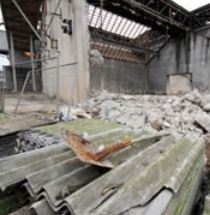
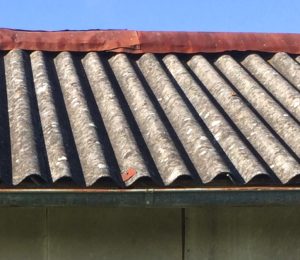
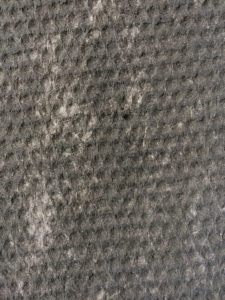
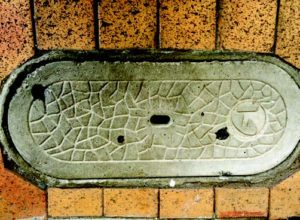
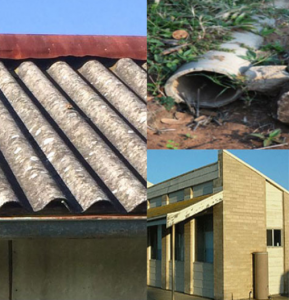
- photographs and descriptions of known asbestos containing product
- a growing database of services and advisory organisations
Contact AsbestosInfo to be included on this database
Asbestos and its Uses
Asbestos is a generic term representing a group of naturally occurring fibrous silicate mineral. For decades it was mined and used widely in Australian industry due to its fire and water resistant properties.
Asbestos was mined and manufactured into many different products. Common uses for asbestos building products included flat fibro, corrugated or compressed fibro, water, drainage and flue pipes and floor tiles. It was also woven into wool and fabrics and used for example as lagging and asbestos fire proof blankets.
The three most common types of asbestos that were mainly used in a wide range of products are:
- Chrysotile (white asbestos)
- Crocidolite (blue asbestos)
- Amosite(brown or grey asbestos)
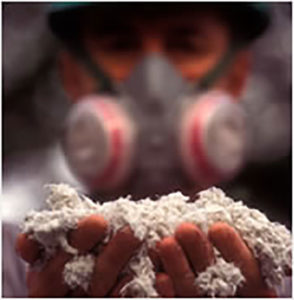
Asbestos becomes a health risk when asbestos fibres are released into the air and breathed in. Asbestos fibres are 50 to 200 times thinner than a human hair and are invisible to the naked eye.
Why is asbestos dangerous?
Almost everyone in our society has been exposed to asbestos fibres in some form, but for most people the risks are small. When asbestos is disturbed it forms a dust which contains minute asbestos fibres that are invisible to the naked eye. The fibres are durable and so small and fine they can be easily inhaled or swallowed. Breathing in this dust can be deadly.
Breathing in asbestos fibres can cause asbestos related lung disease, pleural plaques, asbestosis, lung cancer and mesothelioma. The risk of contracting these diseases generally increases with the number of fibres inhaled, however, some people have contracted mesothelioma after only brief exposure. If you smoked then the risk of lung cancer from inhaling asbestos fibres is also greater. The symptoms of these diseases do not usually appear until about 20 to 30 years after initial exposure to asbestos dust and fibres.
Asbestos in NSW
The use of asbestos was widespread in NSW. It was mined in NSW from 1940 - 1979 at Baryulgil on the north coast and at Barraba on the northern tablelands from 1918 - 1923. It was also imported into NSW from WA and from overseas. It was manufactured into a variety of products. In the post war building boom of World War 2 nearly every house had some form of asbestos building products used in it.
People have been exposed to asbestos fibres not only in their jobs but also at home. The types of common exposure include;
- Miners
- Asbestos factory and plant workers
- Waterside workers
- Ship builders and dockyard workers
- Carpenters and builders
- Plumbers
- Electricians
- Panel beaters
- Marine engineers
- Refinery workers
- Steelwork workers
- Boilermakers
- Power plant workers
- Mechanics
- Home Renovators
- Telstra employees
- Wives and children of workers
- People at home
- Hospital workers
- Teachers and students.
Removal and Safe Handling
Before removing any asbestos in the home or work place, you should check whether there are any legal requirements or other requirements are applicable. It might also need the development consent of the local council.
If you are considering removing asbestos and are not sure what to do you should refer to the "Think Asbestos" website which provides valuable information on the safe removal and handling of asbestos.
For information concerning asbestos encapsulation please refer to Metro Asbestos Encapsulators www.metro-asbestosencapsulators.com.au.
Asbestos Related Diseases
Pleural plaques
Pleural plaques are generally scarring on the lung which is an indicator you have been exposed to asbestos fibres. They are not cancer and generally do not turn into cancer. Most of the time they do not cause any health problems.
Asbestosis
Asbestosis is a more serious disease, but it is not cancer. Usually to contract asbestosis you need to be heavily exposed to asbestos dust and fibres. The fibres when breathed in, can sometimes lodge in your lungs and cause scarring to the lungs known as asbestosis. Asbestosis can cause shortness of breath and in some serious cases it can be fatal.
Mesothelioma
This is a rare form of cancer which is associated with breathing in asbestos dust and fibres. It is a cancer in the pleura of the lungs and the chest wall. It can also occur in the peritoneum - the lining of the abdominal cavity.
There is no cure for mesothelioma, however, the medical and scientific professions are dedicated to research in the hope of finding a cure. In doing so, they have also uncovered improvements in treatments that are available to those suffering from this disease. Those treatments include chemotherapy, radiotherapy, palliative care and in some circumstances radical surgery.
Lung Cancer
Lung cancer as the name suggests is cancer of the lung. Anyone who has been exposed to asbestos is at risk of developing lung cancer. It is suggested that those who smoked and were exposed to asbestos are more prone to developing lung cancer.